Curb Appeal

    IDX Home

    Contact Us Today At
    800-421-9668
    info@idxbroker.com

    100 E Broadway Eugene, OR 97401

    • Menu
    • Home
    • Buy
    • Sell
    • Communities
      • Portland
      • Salem
      • Springfield
      • Eugene
    • About
    • Contact

    The 5 Best Trees to Grow Indoors

    Just like with smaller plants, there are indoor trees for rooms of all shapes and sizes. Adding larger plants can make a statement in your interior design and provide other benefits like filtering the air and providing fresh oxygen. If you’re thinking about getting an indoor tree for your home, here are some suggestions to help your search.

    Fiddle Leaf Fig

    The fiddle leaf fig is a trending plant among interior design and houseplant enthusiasts alike. It has huge leaves that begin growing densely packed together and gradually spread out as the tree matures. While many choose to keep their taller fiddle leaf figs green all the way down, you have the option of pruning the lower leaves to expose more of an empty “trunk.”

    Rubber Plant

    Rubber plants are another choice with large, statement-making leaves. There are several varieties with different colored foliage, but some of the most popular are those with leaves so dark green they almost appear black. The glossy texture and thickness is part of what gives the rubber plant its name. You can keep these plants in small pots or allow them to grow into trees up to 5 feet in height. It’s common to group two or more plants in the same pot for a dense, lush presentation.

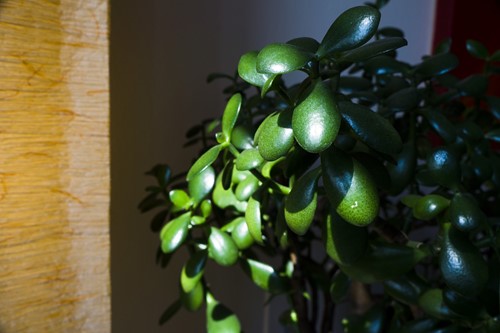
    Jade Plant

    Jade plants require a lot of patience to get to true “tree” status. However, mature jade plants can grow to upwards of 4 feet tall and are so easy to propagate you can create an entire jungle of jade from a single mother plant. It’s a type of succulent which means it will need a well-draining potting mix and plenty of light. Be careful not to over-water it, but keep the soil slightly moist to encourage growth and plump, shiny leaves.

    Areca Palm

    Areca palms are fast growing and perfect for creating an instant tropical vibe. They have long, elegant fronds and fanning leaves that can grow up to 4 feet high or more in the right conditions. They require lots of bright indirect sunlight to flourish. A great bonus of this indoor tree is that it’s completely pet-safe, so you don’t need to worry about curious dogs or cats suffering any harm from chewing on a leaf or two.

    Yucca

    Yuccas seem similar to miniature palm trees with thick, bare trunks and spikey full clusters of leaves at the top. Many designers and plant enthusiasts combine multiple plants of different heights in the same pot to create a fuller but staggered presentation. These trees are great for more forgetful indoor gardeners, as they are drought tolerant and don’t need frequent watering. They’ll thrive in full sun and add visual interest to any room of the home.

    These are just a few suggestions of indoor trees to try in your home. You can buy many of them as tabletop-sized potted plants and grow into full trees over the course of a few years. However, you can also find fully sized versions of these plants at nurseries and garden stores for a higher price point. Whichever you choose, you’ll love the addition of fresh greenery to your home’s aesthetic and environment.
    Posted in: Uncategorized Tagged: Houseplants, indoor plants, indoor trees, plant care, Trees

    Should You Keep Houseplants in Your Bathroom?

    Most popular houseplants are native to tropical climates, which might make your bathroom seem like a perfect fit. While the warmth and humidity from baths and showers is perfect for many varieties of plant, there are some other factors that come into play. Here we will go over the key things to consider when deciding what plants to add to your bathroom decor.

    Windows

    The first thing to consider is whether your bathroom has a natural light source. Sunlight is obviously crucial for keeping plants alive and well, but there are varieties that tolerate or even prefer the shade. If your bathroom gets lots of bright indirect light during the day, you will have a larger list of plants to choose from. If your window is shaded or if you don’t have a window at all, you’ll need to opt for a low-light loving type of bathroom plant. Fluorescent bulbs alone are enough for some plants, so don’t lose hope if you’re lacking windows.

    Usage Frequency

    Many plants thrive in the high humidity levels of a bathroom. However, it’s important to remember that human usage actually creates the humidity. If nobody is taking showers or baths, the air in the bathroom does not differ from anywhere else in the house. This means that if you have multiple bathrooms, some will be better suited for plants than others. Primary bathrooms or bathrooms shared by multiple family members are ideal because of the constant usage. Guest bathrooms, powder rooms or otherwise less frequently visited bathrooms won’t have the same humidity level.

    Temperature Fluctuation

    Some bathrooms can go from hot to cold and back in 24 hours. If you notice your bathroom gets dramatically cooler at night than during the day, it might be a cause of stress for plants. Rapid temperature changes are difficult even for the hardiest plants, so if you want to keep some living greenery in your bathroom do what you can to regulate the temperature. If you’re not sure how much fluctuation you have to work with, try putting a portable thermometer in the bathroom for a few days and make a note of the temperature at different times during the day.

    Plant Suggestions

    Based on your specific bathroom conditions, there might be some plants better for you than others. Here are some recommendations:

    For low light, go for snake plant, spider plant, ZZ plant and shade-loving ferns. All will be fine with bathroom moisture and living in low to moderate natural light. For ZZ plants in particular, fluorescent bulbs alone should be enough to keep them alive and happy.

    For lower humidity, pothos and Chinese evergreen are excellent options. Both are lush and hardy plants that don’t need the extra moisture from the bathroom, making them perfect for a guest or secondary bathroom with less regular usage.

    For dramatic temperature changes, air plants are your best option. These plants can make excellent decorative accents in a bathroom and survive colder temperatures with ease.

    If your primary goal is visual appeal, never underestimate the aesthetic power of artificial plants. Some of the more modern faux greenery available on the market is incredibly lifelike and won’t care at all about your bathroom conditions. Otherwise, keep the above considerations in mind when determining what plant will work best for your bathroom.

    Posted in: Uncategorized Tagged: bathroom, Houseplants, indoor plants, plant care

    How to Solve the Most Common Succulent Problems

    Photo by Daria Shevtsova from Pexels

    Succulents are some of the most popular houseplants because they are easy to care for. However, there are some very common problems that you might encounter when keeping succulents despite their low-maintenance demands. Each variety has slightly different needs, but here we will go over some of the most common issues and how to avoid them.

    Sunburn

    Succulents may be desert-native, but that does not mean they all thrive in direct sunlight. In fact, most succulents prefer bright but indirect light and can get damaged by harsh UV rays. If you notice brown spots or dry discoloration on your succulent’s leaves, it might be sunburn. If you find your succulent has sun damage, carefully remove the damaged leaves and find a new spot where the plant won’t burn. North or south-facing windows are great for succulents because they’ll get plenty of light all day without risk of damage.

    Underwatering

    “Low-maintenance” does not mean you can completely ignore a succulent. Though they are drought-resistant plants, they need enough water in order to survive and grow. The easiest way to tell if your succulent needs more water is if the upper leaves look shriveled and dry. You might also notice a usually vibrant succulent looking dull or gray when it needs more water. Luckily, this is an easy problem to remedy. All you need to do is to soak the soil completely and then allow it to drain. You should see the appearance change gradually once the plant has quenched its thirst.

    Overwatering

    Succulents frequently top the “hard to kill” list of houseplants, but the most common reason succulents die is from too much water. Desert native plants like succulents and cacti are extremely efficient in their water consumption and can store it for long periods of time. Watering your succulents too frequently can lead to root rot which will eventually kill the whole plant. If you notice the underside of the plant turning brown, it might be a sign of rot. Unfortunately, it’s difficult to save the plant once the roots have decayed, but it’s easy to prevent the issue entirely. The soil must dry out completely between waterings. You should also make sure you use the right soil: go for succulent or cactus-specific soil that drains well rather than soil that retains moisture.

    Stretching

    Sometimes your succulents might grow unevenly in one direction. If you notice your succulents stretching one way or the other, it means it’s trying to get more light. Plants will typically grow toward their light source, so if you have succulents facing the same direction in the same spot without ever being moved, you might find them getting stretched or “leggy.” The simplest way to avoid this is to rotate them frequently or find a new spot for them where the light is more consistent. You can also use special LED grow lights indoors to create a perfectly symmetrical lighting environment if you don’t get enough sunlight through your windows. Just make sure that if you change the amount of light for a leggy succulent that you do so gradually and watch out for sun damage.

    Each type of succulent is a little different in terms of ideal light and water situation, but all share the risk of the above issues. The most important thing to remember when caring for succulents is not to drown them or expose them to extreme heat or cold. Otherwise, let the plant tell you what it needs and adjust accordingly.

    Posted in: Uncategorized Tagged: house plants, indoor gardening, indoor plants, plant care, succulents

    About Us

    Our professional staff is passionate about our clients’ goals, and aim to treat each client as if they were our only one. Together, your next real estate experience will not only be enjoyable but also produce great results! Please feel free to give us a call, or send an email anytime and we will contact you as soon as possible.

    Our Communities

    • Portland
    • Salem
    • Springfield
    • Eugene

    Contact Us

    100 E Broadway Eugene, OR 97401

    info@idxbroker.com
    800-421-9668
    © 2026 · Equity Framework
    Privacy Policy · Listings Sitemap · Sitemap