Curb Appeal

    IDX Home

    Contact Us Today At
    800-421-9668
    info@idxbroker.com

    100 E Broadway Eugene, OR 97401

    • Menu
    • Home
    • Buy
    • Sell
    • Communities
      • Portland
      • Salem
      • Springfield
      • Eugene
    • About
    • Contact

    Lawn turf care & maintenance guide

    Knowing the basics of lawn turf care is the key to maintaining healthy grass. With proper watering techniques, fertilizer usage, mowing habits and weed prevention, you can keep your lawn beautiful and thriving. To help you get started, here is a basic guide to lawn care:

    Mowing

    Mowing isn’t only to maintain a pristine lawn aesthetic. It’s also vital for the health of the grass and ensures your lawn remains strong and beautiful all year long. While it might seem time-consuming, mowing the lawn more often during the growing season has many benefits.

    The most important benefit is that it helps you avoid cutting too much of the grass length at once – instead, mow more often and avoid shocking the grass by shearing it too short.

    Watering

    Unlike mowing, watering is something you should do less frequently than you expect. Even during the hottest portions of the year, don’t exceed more than 2 inches of water per week. Adjust your watering schedule for the changing seasons and check the soil moisture to make sure your lawn is getting the hydration it needs.

    Proper watering can also help prevent lawn diseases, insect pests, bare patches and other common lawn problems.

    Weed control

    A healthy lawn is the best natural defense against invasive, troublesome weeds. Unfortunately, some weeds are strong enough to require extra attention.

    Research the types of weeds most common in your area and how they reproduce, such as by creeping or by spreading weed seeds. This will help you determine what type of weed control methods to use, from chemical weed killers to manual removal and everything in between.

    Healthy turfgrass doesn’t have to be an impossible goal. With the right lawn care habits, you can maintain a beautiful yard and a healthy lawn on your own. And, when in doubt, you can always consult professional lawn care services for extra help.

    Posted in: Uncategorized Tagged: grass lawn, landscaping, lawn care, turf, turf lawn

    What to Do When Your Offer Is Rejected

    Buying is home is a lengthy and, at times, stressful process. So, it can be discouraging when your offer is rejected.

    If you’ve recently had a purchase offer rejected by the homeowner, don’t worry–you have options.

    In this post, we’re going to cover some of those options so you can start focusing on your next move and potentially even make a second offer that gets accepted.

    1.  Reassess your offer, not the seller

    You could spend days guessing the reasons the seller might not have accepted your offer if they didn’t give you a straightforward answer.

    However, your time is better spent addressing your own offer. Double check the following things:

    • Is your offer significantly lower than the asking price?

    • If so, is it lower than comparable sale prices for homes in the neighborhood?

    • Does your offer contain more than the usual contingencies?

    Once you’ve reassessed, you can determine if a second offer is appropriate for your situation, or if you’re ready to move onto other prospects with the knowledge you’ve gained from this experience in hand.

    2. Formulate your second offer

    So, you’ve decided to make another attempt at the house. Now is the time to discuss details with your spouse and real estate agent.

    Out of respect for the seller’s time and their timeline for selling the home, you should treat your second offer as your last.

    So, make sure you’re putting your best offer forward. This can mean removing those contingencies mentioned earlier or increasing the amount. However, be realistic about your budget and don’t waive contingencies that are necessary (commonly appraisals, inspection, and financing contingencies).

    3. Consider including a personal offer letter

    In today’s competitive market, many sellers are fielding multiple offers on their home. To set yourself apart from the competitors and to help the seller get to know your goals and reasoning better, a personal letter is often a great tool.

    Don’t be afraid to give details in your offer letter. Explain what excites you about the house, why it is ideal for your family, and what your plans are for living there.

    What shouldn’t you include in your offer letter? Avoid statements that try to evoke pity or guilt from the seller. This seldom works and will put-off most buyers to your offer.

    4. Moving on is good time management

    If you aren’t comfortable increasing your offer or if you receive a second rejection, it’s typically a good idea to move onto other prospects. It may seem like wasted time–however, just like a job interview that didn’t go as planned, it’s an excellent learning experience.

    You’ll walk away knowing more about the negotiation process, dealing with sellers and agents, and you might even find a home that’s better than the first one in the process!

    Posted in: Uncategorized Tagged: Buying a home, Offer to Purchase, rejected

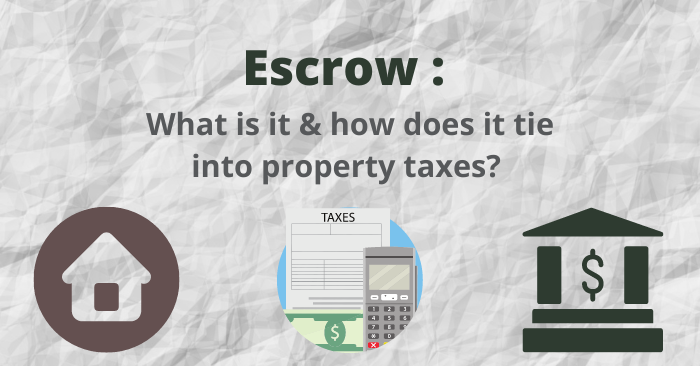
    Escrow : What is it & how does it tie in to property taxes?

    If you’re new to the homebuying process, you may be introduced to a plethora of new terms you’ll need to know. Escrow accounts are no doubt on the list. 

    Having an escrow account is often required by mortgage lenders, so getting a better understanding of what they are and how they work can help ease you into the process. 

    Escrow account basics

    So, what exactly is an escrow account, and what is it used for? Escrow accounts are set up during the homebuying process and act as a neutral third party to hold important contracts, earnest money and other important information related to the home sell. 

    After the purchase of a home, your lender can use your escrow account to manage insurance premiums and property taxes and insurance. 

    Property tax payments

    Every year when your tax office issues property tax bills, your lender uses money collected in your escrow account to pay off the taxes. If there isn’t enough money in your escrow account, they’ll reach out to you to make up the difference. 

    If the amount owed is less than what’s in your escrow account, your lender can credit you for the next tax year. 

    How do I know when escrow is required?

    As standard practice, an escrow account is required if your home down payment is less than 20 percent of the total purchase price. 

    Some loan types such as FHA loans also require an escrow account. In some cases, you can cancel an existing escrow by providing proof of regular and on time home payments. 

    Escrow accounts may seem a bit confusing at first, so take your time as you learn more about them and consider speaking with an escrow officer for assistance if need be.

    Posted in: Uncategorized Tagged: escrow, escrow accounts, home selling, homebuying

    All About Garden Edging

    Photo by Matt Chen on Unsplash

    Garden edging is an aspect of landscaping design that serves both practical and aesthetic purposes. You can use edging as a decorative border around plant and flower beds, pathways and lawns using a variety of materials. Here we will go over some of the key benefits of garden edging as well as commonly used materials.

    Why Use Garden Edging?

    Edging not only creates a visual edge to various portions of a landscape, but also creates a physical barrier between them. Unlike a fence or raised garden bed wall, most garden edging is laid into the ground to be perfectly level with the surrounding landscape. What might look like a small barrier can have large benefits. One benefit is that edging creates a physical barrier between different parts of the landscape to confine loose and delicate material like potting soil. This will prevent messiness and also add a layer of defense against pests and wandering plant life. Using garden edging between turf grass and a flower bed will prevent the grass from invading the planting space. Also, garden edging made from looser material like gravel or sand can also assist with proper drainage.

    What Are Some Common Edging Materials?

    Brick – One of the most popular and widely used edging materials is brick. Because of its size and shape, it’s easy to fit the edges of your garden in curves and straight lines. The color or brick can also create a great visual contrast when placed next to lawns, concrete or other stone surfaces.

    Belgian Block – Belgian blocks are made of solid granite and are some of the most commonly used stones for pathways, driveways and patios. They are like brick in their rectangular shape but come in a variety of sizes and colors. Because granite is one of the toughest materials on the planet, Belgian blocks are extremely durable.

    Concrete – Concrete is a great choice of edging material if you need specific measurements. You can cut concrete into custom shapes and sizes and even buy pre-made edging kits including corners and curves for easy installation. You can also make your own concrete blocks for an even more custom DIY approach.

    Cedar – Wood edging is durable and a great way to create a natural and rustic look. You can use lots of different varieties of wood for garden edging, but cedar is by far the most popular because of its durability. You can find rolls of pre-made cedar edging in a variety of styles and use it to wrap around gardens of all sizes and shapes.

    River Stone – Another excellent choice of edging material for a more natural and organic aesthetic is river stone. Since each stone is unique in size, shape and color, edging made from river stone will have lots of character and room for creativity. River stones contrast with other common materials like brick and Belgian block because they are rounded and smooth rather than rectangular. Unless set with mortar, however, river stone edging is typically loose and therefore not immune to being dislodged accidentally.

    These are some of the most popular materials for landscape edging, but there are countless other ways to create borders between plant zones. Edging can be a great way to repurpose materials like glass bottles, cinder blocks or even plastic. Regardless of the material you choose, it can be an excellent DIY project and will benefit both the look and health of your landscape.

    Posted in: Uncategorized Tagged: exterior, garden edging, gardening, landscaping

    Selling Your Home: How It Affects Your Taxes

    Photo by Acharaporn Kamornboonyarush from Pexels

    In a nutshell, if you have owned a home for five years and lived in it for at least two out of five years, or if you’ve owned the house for two years and lived in it the entire time, a single person has a $250,000 tax exemption. If you are married, as a couple, you have a $500,000 exemption. Any gains over those amounts are taxable. You should always discuss the sale of your home with a tax attorney, especially if you used the house for business or rented it out, as you may not be able to take the exemption on homes used for business or as a rental.

    Figuring the Tax

    Before you can estimate how much tax you might owe, you need to calculate the cost basis for the property. Figure the tax by completing these steps:

    Figure the Cost Basis

    Add the price you paid for the property to the cost of any significant improvements. Subtract any casualty and theft losses, closing costs you paid when you bought the house and allowable depreciation. You might be able to subtract some closing costs. If you inherited the property, the initial investment is the fair market value on the date of the death of the person who willed the house to you.

    For gifted properties, if there is a gain, you use the donor’s adjusted basis in the cost basis equation. If there is a loss, the cost basis is the fair market value on the date you received the property as a gift or the donor’s adjusted basis, whichever is less.

    Figure the Capital Gain

    Once you have the cost basis, subtract it from the sale price of the house. For example, if you paid $500,000 for your home and you are now selling it for $1,000,000, you have a capital gain of $500,000. If you are single, you will pay tax on $250,000. If you are married, the exclusion is $500,000, which wipes out the $500,000 profit.

    Reducing the Tax Owed

    You may be able to use the Section 1031 exchange if you are selling a home used for business or that was rented out as long as you buy another house for business or to rent out. The new purchase cannot be for personal use and the exchange must be for “like-kind.”

    The regulations for a Section 1031 exchange are limited and may be confusing. Always retain a tax lawyer or accountant to help you with your taxes, especially if you are buying and selling an investment property. If you are selling a million dollar plus home and you use it as your personal residence, you should still contact a tax lawyer. Depending on your finances, the tax lawyer may be able to help you avoid some of the tax.

    Posted in: Uncategorized Tagged: home selling, selling your home, tax tips

    How Do Buyers Feel After They View Your House?

    As a home seller, it is important to do everything possible to ensure your residence makes a positive impression on buyers. Because if your residence fails to impress buyers during a showing or open house, your home may linger on the real estate market for an extended period of time.

    Ultimately, there are lots of things you can do to ensure buyers feel good after they view your residence, such as:

    1. Bolster Your Home’s Curb Appeal

    When buyers view your home for the first time, you likely want them to fall in love with your residence. If you allocate time and resources to enhance your house’s curb appeal, you may make it simple for buyers to see your residence’s full potential and envision what life could be like if they purchase your home.

    To upgrade your home’s curb appeal, you should perform lawn care tasks like mowing the lawn and trimming the hedges. You also should repair any cracked or chipped home siding, as well as correct any other property exterior issues that could negatively affect a buyer’s perception of your house.

    2. Remove Clutter

    Clutter is a problem that may make it tough for buyers to picture a future in your home. If you have excess items scattered around your home, there may be no time like the present to get rid of these items.

    To eliminate clutter, you may want to host a yard sale or list excess items online. In addition, you can always donate any items you no longer need to a local charity or give them to family members or friends.

    3. Clean Each Room of Your Home

    For homebuyers, nothing beats a pristine, tidy home interior. If you clean each room of your house from top to bottom, you can help your home’s interior make an unforgettable impression on buyers.

    Taking a room-by-room approach to home cleaning may be ideal. Furthermore, if you need extra assistance, you can hire a professional home cleaning company.

    Of course, if you are searching for ways to streamline the home selling journey, you may want to hire a real estate agent as well. A real estate agent is happy to teach you the ins and outs of selling a house and ensure you can maximize your home sale earnings.

    A real estate agent can guide you along each stage of the home selling journey. First, he or she will learn about you and your home selling goals. A real estate agent next will help you list your residence and promote your home to dozens of prospective buyers. Finally, if you receive an offer to purchase your home, a real estate agent will help you determine whether to accept, reject or counter this proposal.

    Clearly, there is no shortage of options to upgrade your residence and ensure it garners buyers’ attention. If you take advantage of the aforementioned tips, you could simultaneously help your house stand out to buyers and speed up the home selling cycle.

    Posted in: Uncategorized Tagged: selling your home, Tips on selling

    Would An Attached Garage with Increased Accessibility Make Your New Home Safer?

    Photo by Pixabay via Pexels


    For most people, inclement weather is an inconvenience when getting out of a vehicle and entering a home. When it rains, you use an umbrella or get wet. When it snows or sleets, you have to watch every step or suffer a slip and fall. But for people with a disability or mobility limitations, these seemingly ordinary weather conditions present a significant danger. Negotiating stairs or even a wheelchair-accessible ramp escalates the risk of a hard impact fall.

    Those are powerful reasons new construction home designs call for attached garages. A smartly designed garage that accommodates residents who use wheelchairs, walkers or are beginning to experience natural muscle strength decline in their legs would be far safer entering a new home through an enclosed space. That being said, these are ways builders can include accessible attached garages that broaden homeowner demographic appeal and keep valued community members out of harm’s way.

    How Do Accessible Garage Dimensions Differ?

    The size of an attached two-car garage runs about 24 feet wide by 24-30 feet most times. Some may be larger or smaller depending on buildout designs that include additional storage space or home workshops, among others. Most plans center garage doors so the space on either side is about equal. They typically include a space cushion of 5-8 feet down the center for car doors to swing open. A similar space allowance is usually integrated between the vehicle and the interior home wall.

    The standard two-car garage layout can be retooled as a wheelchair accessible space. Homeowners need only stop parking a vehicle in the bay closest to the interior door. A wheelchair or walker ramp can be installed if the interior door is above the garage floor grade. Many building codes require at least a 6-inch elevation.

    Another new construction option is to build out an oversized one-car garage. Many one-car garages run a slim 10-12 feet wide and tend to be a tad cramped. Expanding to 16 feet with the automatic garage door positioned away from the home, for example, reduces the construction cost while providing increased accessibility. Other design ideas include installing a double-wide automatic garage door that delivers symmetrical curbside appeal. New construction homeowners can exit their vehicles without worrying about the dangers of hard falls or not being able to navigate an icy ramp.

    Attached Garage Ramps & Entryways

    Attached garage doors generally add to property values and are popular among new homebuyers of many demographics. Beyond modest dimension modifications, the entryway distinguishes a truly accessible attached garage.

    Although many building codes require the height of the interior door threshold to be above garage floor grade, builders can usually secure a variance based on accessibility enhancements. If local officials are not inclined to agree, raising garage slab heights might be more persuasive. If neither option meets building regulations in the area, interior door heights are likely to be less than one foot.

    Building a wheelchair accessible ramp with an automatic interior door opening mechanism proves beneficial for aging community members, people with disabilities and a wide range of others as well. Any new construction homeowner would enjoy a spacious attached garage with a convenient entryway. Employing a safe and convenient, accessible attached garage blueprint only widens homebuyer demographics while adding listing price value.

    Posted in: Uncategorized Tagged: Accessibility, garage, new home, New Home Build

    Home safety: How to prevent burns at home

    Burns can range from mild injuries to severe and permanent damage. However, there are ways to reduce your burn risk at home. Keep the following burn prevention tips in mind to keep safe from this type of injury.

    Lower your water heater temperature

    Your water heater could be producing water that’s hot enough to scald or burn. Keep your water heater at 120 degrees or lower to ensure scalds or water burns don’t happen.

    Toss damaged electrical cords and plugs

    Frayed or worn electrical cords and plugs can cause electrical burns when touched or handled. Check the cords and plugs in your home regularly, and throw out any in poor condition. Make sure everyone in your home removes plugs from outlets without yanking on the cord, which can lead to fraying.

    Cook with care

    When cooking on the stove, turn pot and pan handles so they face inward rather than facing the edges of the stovetop. Avoid wearing clothing with long, loose sleeves, which can get caught on these handles or catch fire if you have a gas stove.

    Use chemical cleaning products safely

    Chemical cleaning products can cause chemical burns if you’re not careful. Follow the directions for safe usage when cleaning your home with these products. Wear gloves to protect your hands from chemical burns and skin irritation. When you’re not using them, store them in a safe place where they’re out of reach from kids and pets.

    Use alternative heating devices properly

    If you plan to heat your home with space heaters or other devices, always follow the instructions for proper use. Use caution when handling these heating devices to reduce your risk of burns.

    Handle matches, lighters and candles with care

    When you use lighters, matches or candles in your home, do so carefully to avoid burns. Keep lit candles out of reach from kids and pets, and store matches and lighters in a safe place they won’t be able to access.

    Posted in: Uncategorized Tagged: burns, fire safety, first aid, Home Safety, kitchen safety

    Finding a home: A basic guide to purchasing a home

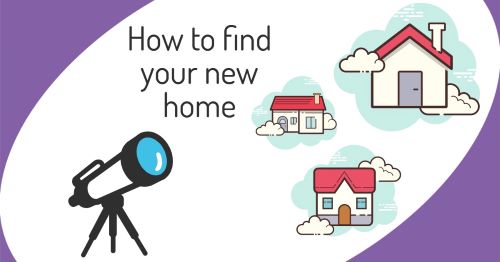
    Images of houses and a telescope

    Finding a home can be thrilling yet stressful. A house is one of the most significant purchases you’re likely to
    make, so it’s important to do everything you can to ensure a successful search. You can find the dream home
    accommodating all the needs of you and your household. 

    If you’re interested in tips on the house hunting process, here’s some info to help:

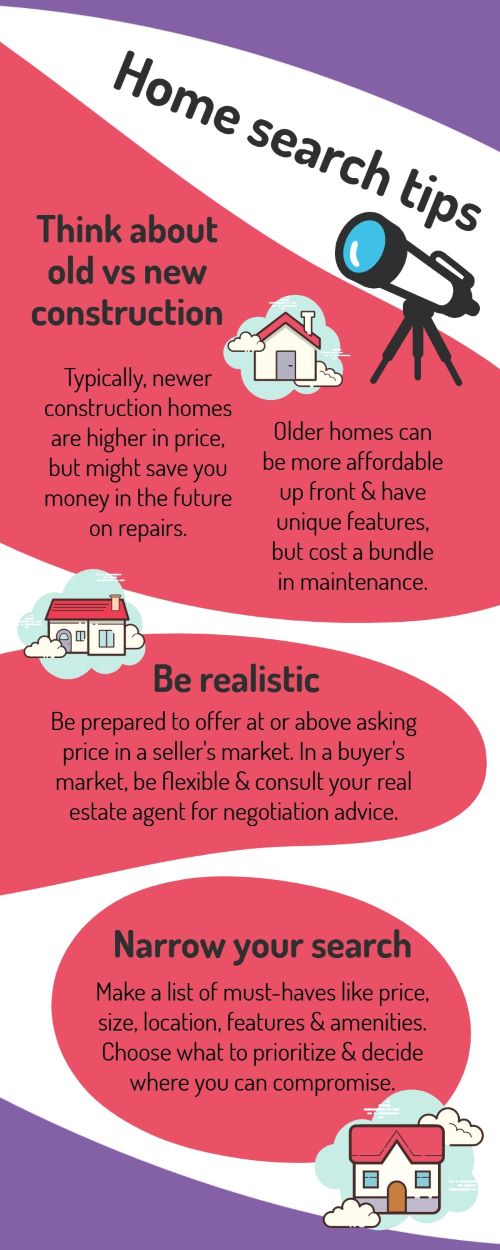
    Old vs new house construction

    When house hunting, you may be considering whether a new construction or an older home would be the best fit.
    Typically, newer construction homes are higher in price.  However, you may save money later down the road on
    upkeep and repairs. 

    You may be considering purchasing an older home. You may find older models of homes have some unique exterior
    features not seen in newer homes. For example, an older home may have unique light fixtures you find to be
    desirable. However, the older the materials used in the home, the more likely they will need to be replaced sooner
    after purchasing. 

    Be realistic when searching for a home

    Thoroughly examine your budget when searching for a home. It’s best not to use all of your funds towards a large down
    payment to show lenders you have some financial wiggle room. What things are negotiable and what things do you stand
    firm on?

    Be prepared to offer at the current asking price or more if you want to stand above the competition during a seller’s
    market. If you’re purchasing a home in a buyer’s market, you’ll have more flexibility when putting an offer down on
    a property.  

    Narrowing your search

    The housing market moves fast. It’s good to make a list of the characteristics you seek in a home. Consider important
    factors like location and size of your property. Creating a budget can help in narrowing down the type of home you
    can afford. 

    If you are in a seller’s market, you may find houses quickly move off the market. Hiring an experienced real estate
    agent can help you pick out the best options in a timely manner. 

    Red white and purple infographic

    When searching for a new home, it’s important to stay level-headed. It’s best to not rush into the homebuying
    process. A local real estate agent can help you explore your options to find the best home fitting your needs. 

    Posted in: Uncategorized Tagged: finding your dream home, home search

    Is it time to adjust your home selling timeline?

    Is it time to adjust your home selling timeline featured image

    When you decided to sell your home, you might have had a timeline in mind for the process. While every home sale is
    different, there are some common factors you can use to build your plan around. Even with perfect planning, however,
    things don’t always work out the way you expect.

    Sometimes it might become necessary to adjust your home selling timeline to adjust to the market or other
    circumstances. There are three common reasons you might need to adjust your planning.

    You’re listing your home in a buyer’s market.

    A buyer’s market means heavy competition from rival home sellers. As such, it may be difficult to enjoy a fast,
    profitable home selling experience if you fail to promote your listing accordingly.

    You’ll need patience in a buyer’s market, but also the right strategies. Finding ways to make your home stand out
    from others on the market is crucial to your success. One of the best ways to accomplish this is to upgrade your
    curb appeal. Enhance your landscaping, remodel your front porch or tidy up your lawn. Even the simplest changes can
    make a huge difference in first impressions.

    Your home isn’t getting enough interest.

    It might seem like your home has been up for sale for ages without any action. One way to avoid this from the
    beginning is to set an aggressive initial asking price for your home. This price should account for your house’s
    condition, age and the current state of the real estate market without undervaluing the property.

    Consider the homebuyer’s perspective when considering ways to drum up interest for your home. Are there features of
    other comparable properties that make them more interesting or attractive to buyers? Doing a bit of research on your
    market can be beneficial.

    You haven’t hired a real estate agent.

    It’s possible to sell your home without a real estate agent. However, by doing so, you deprive yourself of a wealth
    of knowledge, resources and advice for selling your home quickly and for the right price. A real estate agent will
    advertise your listing to their valuable network and audience, getting more attention even in a tough market.
    They’ll also handle coordinating with buyers for tours and open houses.

    Is it time to adjust your home selling timeline infographic

    Flexibility is key in having a positive and rewarding home selling experience. With outside forces constantly in
    motion, the best way to succeed is to adapt your expectations and prospective timeline.

    Posted in: Uncategorized Tagged: home selling, real estate, selling your home, Tips on selling

    Posts navigation

    • 1
    • 2
    • 3
    • …
    • 11
    • Next Page »

    About Us

    Our professional staff is passionate about our clients’ goals, and aim to treat each client as if they were our only one. Together, your next real estate experience will not only be enjoyable but also produce great results! Please feel free to give us a call, or send an email anytime and we will contact you as soon as possible.

    Our Communities

    • Portland
    • Salem
    • Springfield
    • Eugene

    Contact Us

    100 E Broadway Eugene, OR 97401

    info@idxbroker.com
    800-421-9668
    © 2026 · Equity Framework
    Privacy Policy · Listings Sitemap · Sitemap