Curb Appeal

    IDX Home

    Contact Us Today At
    800-421-9668
    info@idxbroker.com

    100 E Broadway Eugene, OR 97401

    • Menu
    • Home
    • Buy
    • Sell
    • Communities
      • Portland
      • Salem
      • Springfield
      • Eugene
    • About
    • Contact

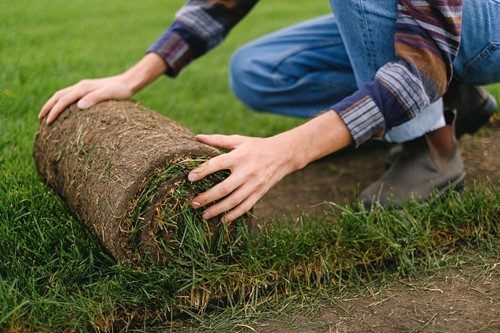
    Lawn turf care & maintenance guide

    Knowing the basics of lawn turf care is the key to maintaining healthy grass. With proper watering techniques, fertilizer usage, mowing habits and weed prevention, you can keep your lawn beautiful and thriving. To help you get started, here is a basic guide to lawn care:

    Mowing

    Mowing isn’t only to maintain a pristine lawn aesthetic. It’s also vital for the health of the grass and ensures your lawn remains strong and beautiful all year long. While it might seem time-consuming, mowing the lawn more often during the growing season has many benefits.

    The most important benefit is that it helps you avoid cutting too much of the grass length at once – instead, mow more often and avoid shocking the grass by shearing it too short.

    Watering

    Unlike mowing, watering is something you should do less frequently than you expect. Even during the hottest portions of the year, don’t exceed more than 2 inches of water per week. Adjust your watering schedule for the changing seasons and check the soil moisture to make sure your lawn is getting the hydration it needs.

    Proper watering can also help prevent lawn diseases, insect pests, bare patches and other common lawn problems.

    Weed control

    A healthy lawn is the best natural defense against invasive, troublesome weeds. Unfortunately, some weeds are strong enough to require extra attention.

    Research the types of weeds most common in your area and how they reproduce, such as by creeping or by spreading weed seeds. This will help you determine what type of weed control methods to use, from chemical weed killers to manual removal and everything in between.

    Healthy turfgrass doesn’t have to be an impossible goal. With the right lawn care habits, you can maintain a beautiful yard and a healthy lawn on your own. And, when in doubt, you can always consult professional lawn care services for extra help.
    Posted in: Uncategorized Tagged: grass lawn, landscaping, lawn care, turf, turf lawn

    All About Garden Edging

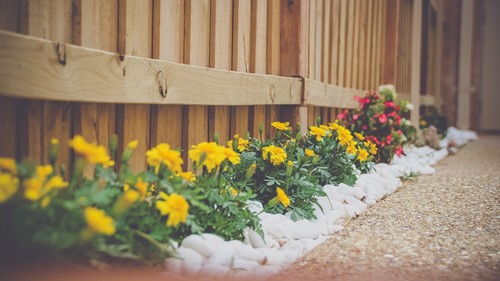
    Photo by Matt Chen on Unsplash

    Garden edging is an aspect of landscaping design that serves both practical and aesthetic purposes. You can use edging as a decorative border around plant and flower beds, pathways and lawns using a variety of materials. Here we will go over some of the key benefits of garden edging as well as commonly used materials.

    Why Use Garden Edging?

    Edging not only creates a visual edge to various portions of a landscape, but also creates a physical barrier between them. Unlike a fence or raised garden bed wall, most garden edging is laid into the ground to be perfectly level with the surrounding landscape. What might look like a small barrier can have large benefits. One benefit is that edging creates a physical barrier between different parts of the landscape to confine loose and delicate material like potting soil. This will prevent messiness and also add a layer of defense against pests and wandering plant life. Using garden edging between turf grass and a flower bed will prevent the grass from invading the planting space. Also, garden edging made from looser material like gravel or sand can also assist with proper drainage.

    What Are Some Common Edging Materials?

    Brick – One of the most popular and widely used edging materials is brick. Because of its size and shape, it’s easy to fit the edges of your garden in curves and straight lines. The color or brick can also create a great visual contrast when placed next to lawns, concrete or other stone surfaces.

    Belgian Block – Belgian blocks are made of solid granite and are some of the most commonly used stones for pathways, driveways and patios. They are like brick in their rectangular shape but come in a variety of sizes and colors. Because granite is one of the toughest materials on the planet, Belgian blocks are extremely durable.

    Concrete – Concrete is a great choice of edging material if you need specific measurements. You can cut concrete into custom shapes and sizes and even buy pre-made edging kits including corners and curves for easy installation. You can also make your own concrete blocks for an even more custom DIY approach.

    Cedar – Wood edging is durable and a great way to create a natural and rustic look. You can use lots of different varieties of wood for garden edging, but cedar is by far the most popular because of its durability. You can find rolls of pre-made cedar edging in a variety of styles and use it to wrap around gardens of all sizes and shapes.

    River Stone – Another excellent choice of edging material for a more natural and organic aesthetic is river stone. Since each stone is unique in size, shape and color, edging made from river stone will have lots of character and room for creativity. River stones contrast with other common materials like brick and Belgian block because they are rounded and smooth rather than rectangular. Unless set with mortar, however, river stone edging is typically loose and therefore not immune to being dislodged accidentally.

    These are some of the most popular materials for landscape edging, but there are countless other ways to create borders between plant zones. Edging can be a great way to repurpose materials like glass bottles, cinder blocks or even plastic. Regardless of the material you choose, it can be an excellent DIY project and will benefit both the look and health of your landscape.

    Posted in: Uncategorized Tagged: exterior, garden edging, gardening, landscaping

    3 Easy Landscaping Projects to Increase Curb Appeal

    If you’re trying to improve your home’s curb appeal, landscaping is usually the best place to start. Even with tiny outdoor spaces, there are some simple improvements that will make a big difference. Here are some simple DIY landscaping tips for curb appeal:

    Refresh or Add Mulch

    Mulch might seem like something only needed in elaborate gardens, but it can make a big aesthetic difference in smaller spaces too. If you have plants in a garden bed of any kind, whether it’s right up against the house or elsewhere in the yard, try adding a layer of mulch. Mulching has many practical benefits like helping the soil keep its moisture and protecting against pests, but it also creates a clean and professional presence.

    If you already use mulch, now’s the time to refresh it. Replacing and adding fresh mulch is an ongoing gardening task that can keep your plants and soil healthy and your yard pristine. The rich color will also give your plants a solid backdrop to stand out and add color and vibrancy to the yard.

    Trim Trees and Shrubs

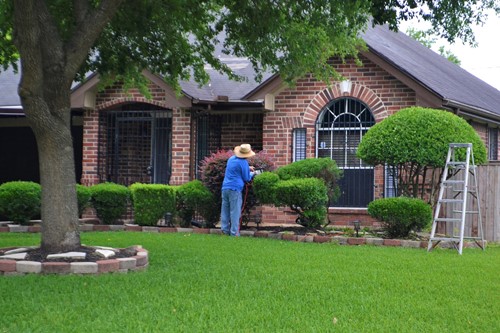
    If you have trees or shrubs in your yard, give them a trim. Even if you have miniature trees, pruning some branches to reduce the size and improve the shape will have an immediate impact on the whole yard. Also, it helps you ensure potential buyers are observing your beautiful house instead of tree branches.

    If you have shrubs, prune and trim them so that they don’t spill out into walkways or cause potential tripping hazards. If you have flowering shrubs, clean up any wilted blooms to keep the plant fresh. No matter what time of year you are presenting your home, trimming your trees and shrubs can improve curb appeal by keeping your home’s face tidy and unobtrusive.

    Clean Up Pathways and Edges

    Even if you have a tiny yard, you probably have some sort of path or walkway to your front door. Cleaning the surface of stone, brick or concrete pathways with a power washer will instantly make the entire yard look new. If you have trouble with weeds growing in between stones or pavers, apply a small amount of weed-killing solution to the edges to prevent them from popping back up. Just do so sparingly and to be aware of any toxins that might be harmful to pets or children.

    As for the edges, cleaning up the sides of the pathways will increase your curb appeal in minutes. If you have a grass lawn, use an edging tool to define clean lines for a professionally landscaped presence. Don’t forget to sweep or blow away the cuttings when you’re finished so that your clean walkway isn’t covered in grass!

    These are some of the easiest and quickest DIY landscaping projects to increase your curb appeal. They are also extremely helpful in ongoing maintenance of a beautiful yard. Whether you’re selling your home or just want to improve the appeal for yourself, starting with the landscaping basics is the best way to go.

    Posted in: Uncategorized Tagged: Curb Appeal, home exterior, landscaping

    About Us

    Our professional staff is passionate about our clients’ goals, and aim to treat each client as if they were our only one. Together, your next real estate experience will not only be enjoyable but also produce great results! Please feel free to give us a call, or send an email anytime and we will contact you as soon as possible.

    Our Communities

    • Portland
    • Salem
    • Springfield
    • Eugene

    Contact Us

    100 E Broadway Eugene, OR 97401

    info@idxbroker.com
    800-421-9668
    © 2026 · Equity Framework
    Privacy Policy · Listings Sitemap · Sitemap