Curb Appeal

    IDX Home

    Contact Us Today At
    800-421-9668
    info@idxbroker.com

    100 E Broadway Eugene, OR 97401

    • Menu
    • Home
    • Buy
    • Sell
    • Communities
      • Portland
      • Salem
      • Springfield
      • Eugene
    • About
    • Contact

    Should You Keep Houseplants in Your Bathroom?

    Most popular houseplants are native to tropical climates, which might make your bathroom seem like a perfect fit. While the warmth and humidity from baths and showers is perfect for many varieties of plant, there are some other factors that come into play. Here we will go over the key things to consider when deciding what plants to add to your bathroom decor.

    Windows

    The first thing to consider is whether your bathroom has a natural light source. Sunlight is obviously crucial for keeping plants alive and well, but there are varieties that tolerate or even prefer the shade. If your bathroom gets lots of bright indirect light during the day, you will have a larger list of plants to choose from. If your window is shaded or if you don’t have a window at all, you’ll need to opt for a low-light loving type of bathroom plant. Fluorescent bulbs alone are enough for some plants, so don’t lose hope if you’re lacking windows.

    Usage Frequency

    Many plants thrive in the high humidity levels of a bathroom. However, it’s important to remember that human usage actually creates the humidity. If nobody is taking showers or baths, the air in the bathroom does not differ from anywhere else in the house. This means that if you have multiple bathrooms, some will be better suited for plants than others. Primary bathrooms or bathrooms shared by multiple family members are ideal because of the constant usage. Guest bathrooms, powder rooms or otherwise less frequently visited bathrooms won’t have the same humidity level.

    Temperature Fluctuation

    Some bathrooms can go from hot to cold and back in 24 hours. If you notice your bathroom gets dramatically cooler at night than during the day, it might be a cause of stress for plants. Rapid temperature changes are difficult even for the hardiest plants, so if you want to keep some living greenery in your bathroom do what you can to regulate the temperature. If you’re not sure how much fluctuation you have to work with, try putting a portable thermometer in the bathroom for a few days and make a note of the temperature at different times during the day.

    Plant Suggestions

    Based on your specific bathroom conditions, there might be some plants better for you than others. Here are some recommendations:

    For low light, go for snake plant, spider plant, ZZ plant and shade-loving ferns. All will be fine with bathroom moisture and living in low to moderate natural light. For ZZ plants in particular, fluorescent bulbs alone should be enough to keep them alive and happy.

    For lower humidity, pothos and Chinese evergreen are excellent options. Both are lush and hardy plants that don’t need the extra moisture from the bathroom, making them perfect for a guest or secondary bathroom with less regular usage.

    For dramatic temperature changes, air plants are your best option. These plants can make excellent decorative accents in a bathroom and survive colder temperatures with ease.

    If your primary goal is visual appeal, never underestimate the aesthetic power of artificial plants. Some of the more modern faux greenery available on the market is incredibly lifelike and won’t care at all about your bathroom conditions. Otherwise, keep the above considerations in mind when determining what plant will work best for your bathroom.

    Posted in: Uncategorized Tagged: bathroom, Houseplants, indoor plants, plant care

    Finding the assessed value of your home

    Knowing the assessed value of a particular property can be a huge help in buying, selling or refinancing. However, with multiple valuation methods and terms available, it can be difficult to distinguish one from the other. Luckily, there are some simple ways to find the assessed value of your home. Here are the basics:

    What is assessed value?

    The assessed value of a property refers to the estimated amount your home would sell for. This value is key in determining how much you pay in property taxes every year. A lower assessed value will generally equal lower tax rates and vice versa.

    How do you calculate assessed value?

    To find the assessed value of your home, you would need to know a few other variables first. One is a percentage known as an “assessment rate” determined by the local county or other municipality. You also need the market value of your home, which can be determined by a real estate agent, and the appraised value, which you can get from a professional appraisal.

    To calculate the assessed value, you multiply the market value by the assessment rate. For example:

    Assessed value = (Market value x Assessment rate) / 100

    If you’re planning to sell or buy a home, it’s important to familiarize yourself with these terms. Even if you’re not planning to buy or sell, knowing your home’s value can help you make more informed financial decisions.

    Posted in: Uncategorized Tagged: assessed value, tax, value assessment

    Why You Need to Pursue a California Luxury Home Today

    There is no place quite like California. If you embark on a California luxury home search, you can find a house that will ensure you can enjoy all that the Golden State has to offer.

    Now, let’s take a look at three reasons why you should kick off a California luxury home search.

    1. You can enjoy convenient access to myriad California attractions.

    There are lots of luxury homes available in San Francisco, Los Angeles and other California cities and towns. As such, you can quickly and effortlessly find a luxury residence that provides quick, easy access to some of the Golden State’s top attractions.

    For example, if you want to buy a luxury home that provides stunning views of the Golden Gate Bridge, you can focus on properties in the Bay Area. Or, if you want to own a luxury house that is located close to Disneyland, you can search for homes in and around Anaheim.

    It often helps to create a list of California luxury home must-haves before you launch a property search. By doing so, you can narrow your Golden State luxury house search and accelerate your journey to find and buy your dream residence.

    2. You can upgrade from your current residence.

    If you find your current residence is too small, there is no need to worry. Those who enter the California luxury housing market can upgrade to a bigger residence in no time at all.

    Generally, it is a good idea to consider where you want to reside in California prior to starting a house search. If you can hone your Golden State luxury house search to a select group of cities and towns, you should have no trouble finding a deluxe residence that falls in line with your expectations.

    3. You can explore new opportunities across California.

    The California luxury housing market offers many opportunities, regardless of whether you want to live in Sacramento, San Diego or elsewhere. If you start a California luxury home search today, you may be able to capitalize on new opportunities. And as a result, you may discover a terrific California luxury house that you can enjoy for years to come.

    As you consider whether to enter the California luxury housing market, you may want to consult with a real estate agent. In fact, with a real estate agent at your side, you can gain the insights you need to streamline your luxury house search.

    A real estate agent will work with you throughout the California luxury homebuying journey to ensure you can achieve the best-possible results. Thus, if you want to purchase a luxury house near upscale boutiques in Beverly Hills, a real estate agent will help you transform your homebuying dream into a reality. Or, if you want to acquire a Cupertino luxury house as quickly as possible, a real estate agent will help you accelerate the homebuying journey.

    Examine the California luxury housing market today, and you can start your quest to acquire a wonderful Golden State residence.

    Posted in: Uncategorized Tagged: buyer tips, Buying a home, california, luxury home

    Should You Wait Until Spring To Buy A Home?

    It seems the way real estate trends go that everyone wants to buy a home at the same time. Buying a home during busy times has challenges. No matter why so many people are heading out to buy a house at a particular time of year, you may wonder if you should steer clear of the competition. 

    There are advantages to buying a home during more prominent seasons- namely that there is more inventory. You also will face plenty of roadblocks to buying during these times of the year. 

    Houses Look More Attractive In The Sunshine

    The reason why so many people list during warmer months is that properties look more attractive at these times. It may be a great time for sellers in the spring and summer, but buyers do face more competition. You may find a home you love but end up being one of the multiple offers on the property. In the warmer months, you could be paying more for the same type of house that sold for less in the winter. 

    Buyers in the spring and summer are anxious. They have sat out the fall and winter waiting for the perfect house to come on the market. 

    The Spring And Summer Is A Great Time For Families To Relocate

    It’s much easier to shop for a home with your family when the kids don’t have school, and there’s more freedom. If you do find the perfect home, you’ll have everyone moved in before the fall when school begins. Hopefully, the kids will have a few weeks to settle in and get used to their new surroundings before they start school. 

    Don’t let the pressure of time constraints lead you to a decision you’ll regret. Don’t buy a home only because it’s “good enough” and you feel the time crunch. There are always options, so be patient.

    Houses Don’t Stick Around

    One drawback to buying in the spring and summer is that no matter what your timeframe is, you’ll need to move fast on a house you love. If you want a specific home, chances are a few other buyers do as well. It can be stressful, but not moving quickly to buy a property can result in losing out on it. It seems like a catch 22. While you don’t want to make decisions you’ll regret, you need to think about an offer rather quickly to beat out the competition.

    Money Can Be Tricky

    Once spring hits, people may be feeling a bit more padded in their wallets due to tax returns and bill being paid off. Trying to make negotiations on a home amidst the stiff competition is next to impossible. Often, buyers will need to pay asking price for a property during busy times of the year.     

    Posted in: Uncategorized Tagged: Buying a home, summer

    Modern Rustic Design in 3 Easy Steps

    Photo by Vlada Karpovich from Pexels

    Do you love the look of rustic interior design but aren’t sure how to use it in your modern home? It might seem overwhelming or impossible to introduce elements of a design style that feels completely different from what you currently have. The good news is that modern rustic style combines elements of both modern and rustic homes to create an effortlessly comfortable and trendy look. Here are some simple ways to introduce rustic design elements into your modern home.

    Start With Art

    One of the easiest ways to change up your interior style is with art or other purely decorative pieces. Rustic design celebrates everything in the natural world and you can see it in the art choices of popular designers and homeowners who have adopted this style. Some common subjects include landscapes, studies of trees or leaves, animals like cattle, horses, or deer and the occasional floral. Go for more traditional art styles rather than abstract—landscape photography is a great choice, too. Choose recognizable images that bring the beauty of nature into the home.

    Even if you decide to keep the same artwork on the walls, simply changing the frame can also have a huge impact. For example, swap out minimalist metal frames for ones made of unfinished wood.

    Emphasize Texture

    Another easy way to add rustic charm to a modern space is by adding in more texture. Rustic design uses lots of natural and tactile materials both for furniture and accents. Swap out smooth and shiny finishes for more gritty and weathered surfaces like wrought iron, stone or grainy wood. You can even sand down existing or unused wooden pieces with an especially glossy surface as a DIY project. Opt for more chunky knits and heavy fabrics paired with comfortable and well-worn leather.

    A large antique or traditional style rug is one way to add rustic style to a room with a single piece. However, even when keeping all the same modern furniture pieces, you can add rustic accents to transform the entire look and feel of a room.

    Make Conversation

    It may sound strange, but you can contribute to your new rustic style choices by simply changing the arrangement of your furniture in a room. Focusing on specific zones for “conversation” purposes will make the space more comfortable and promote togetherness, while also honoring the more traditional roots of the rustic style. Face chairs and sofas toward each other, and make sure there are enough seats all the way around the dining table.

    Speaking of dining tables: if you don’t have one, this might be an excellent opportunity to get one. While they don’t work with all modern house layouts, you can usually fit a small dining area into an open floor plan and create another conversation space at the same time. Dining tables, as well as the idea of gathering together for food and drink, are a key feature in rustic design. Any place in your home where you can create a sense of comfort and ease will create harmony between the modern and rustic style.

    When trying out a new interior design style, you don’t have to change everything at once. Start small by changing some pieces and you might find that you progress naturally into your chosen style without blowing your budget or creating a sense of upheaval. Even better: you may learn more about your own unique style in the process.

    Posted in: Uncategorized Tagged: interior decorating, interior design, modern rustic

    Accessibility: Small & Tiny Homes

    Image by Anna Armbrust from Pixabay

    The conventional thinking that accessible homes require significant square footage to accommodate wheelchairs and walkers runs contrary to small and tiny house floor plans. Many of these affordable new construction houses are ideally suited for people with physical limitations. Modestly-sized home plans reduce the amount of space people have to navigate.

    When designed with an eye on accessibility and space efficiency, small and tiny homes are also a wonderful option for people on fixed incomes. Contractors and potential homebuyers who use wheelchairs, walkers or have difficulty reaching objects at heights may want to consider accessible small homes.

    How Can A Small Home Meet ADA Standards?

    The Americans with Disabilities Act (ADA) establishes building code guidelines that increase accessibility in a wide range of areas. These include entranceways, countertops, open pathways and bathroom amenities, among many others. A small house typically runs between 600 and 1,200 square feet, although no hard-and-fast rule exists, making it easy to modify for increased accessibility.  

    New construction small houses may have 2-3 bedrooms and 1 bathroom. Traditional layouts often divide each room with narrow interior doors that make many feel claustrophobic. But reimagining small house plans through the accessibility lens may make them more palatable for wide-reaching potential homebuyers and people with mobility challenges alike. These are floor plan modifications that can transition a living space to an accessible one.

    • Merge Rooms: Open floor plans generally merge spaces such as kitchens, dining and living rooms. This concept is easy to integrate into small houses that often require fewer load-bearing walls. Combining these three rooms into an open space can make more than half of the house accessible by eliminating narrow doorways.
    • Modified Room Openings: Some public buildings meet ADA guidelines by eliminating doors to bathrooms and other areas. This strategy can be employed in small homes as well. By building an open entrance that employs a wall or barrier for privacy, someone who uses a wheelchair or walker can follow the doorless pathway. They do not have to deal with thresholds, knobs or doors swinging closed.
    • Outdoor Living Spaces: Deck and patio ingress and egress present a significant accessibility challenge. Sliding glass doors often have wide lips to overcome. Other exterior doors generally use thick thresholds. One modification that can make decks and patios accessible is to build them level with the interior floor. Install French or floor-grade doors without lips and thresholds. In terms of deterring weather, consider a roof or awning.

    These concepts are viable ways to transition small homes into accessible ones. Building on these same architectural design ideas, tiny houses are tailormade for accessible modifications.

    Rethinking Tiny Homes As Accessible Living Spaces

    The tiny home trend has captured the imagination of people with modest space needs and incomes. Efficient living also seems to attract people who might otherwise build big houses. That being said, these one and two-room homes are usually 600 square feet or smaller. Seemingly minor blueprint adjustments can make them increasingly accessible.

    • Countertops & Appliances: Space constraints in tiny houses often require builders to place countertops and appliances around a room’s perimeter. Employ a wall-mounted design at an ADA-guided height rather than on cabinets is one accessibility solution. People who use wheelchairs have room to move about underneath, and those without limitations may use the space for storage.
    • Smart Technology: Tiny homes sometimes place light switches and other electrical devices in awkward to reach places. Smart technology allows occupants to use remote devices and voice control.

    The fundamental idea behind these small and tiny home modifications is that less square footage can be a new construction advantage. Builders and potential homeowners may find that ADA-guided mindset makes small and tiny homes feel roomier.

    Posted in: Uncategorized Tagged: Accessibility, Small Homes, small house, Tiny Homes, tiny house

    Is It Simple to Buy a Florida Luxury Home?

    Buying a luxury home in Boca Raton, Fort Lauderdale or elsewhere in Florida should be a stress-free experience. However, problems sometimes arise that make it tough for a Sunshine State luxury homebuyer to achieve his or her desired results.

    When it comes to finding and acquiring a Florida luxury home, it generally is a good idea to be diligent. That way, a Sunshine State luxury homebuyer can quickly identify any potential hurdles during the property buying journey and address these issues before they get out of hand.

    Ultimately, there are lots of things that you can do to simplify the Florida luxury homebuying journey, and these include:

    1. Establish Homebuying Criteria

    You know you want to buy a Florida luxury home, but you need to establish property buying criteria. Because if you enter the Sunshine State luxury housing market with homebuying criteria in hand, you can speed up your property search.

    Oftentimes, it helps to consider the features you want in your ideal Florida luxury home. If you want to own a Sunshine State luxury house that boasts a massive outdoor swimming pool, for example, you can hone your property search accordingly.

    You also should consider where you want to reside in Florida. For instance, if you prefer South Beach to Jacksonville, you may want to check out the available luxury houses in and around Miami.

    2. Create a Homebuying Budget

    A homebuying budget is essential for those who want to purchase a luxury residence in Lake Worth, St. Augustine or any other Florida city or town. Fortunately, if you meet with local banks, you can learn about all of your jumbo mortgage options. You then can select a jumbo mortgage and start your Florida luxury home search with financing at your disposal.

    Don’t forget to account for home inspection fees, closing costs and other property buying expenses, too. If you plan ahead for these costs, you can incorporate them into your Florida luxury homebuying budget.

    3. Work with a Real Estate Agent

    A real estate agent is a housing market expert. Thus, he or she will streamline the process of finding and buying a luxury residence in Florida.

    With a real estate agent at your side, you can enjoy a worry-free Florida luxury homebuying experience. First, a real estate agent will learn about you and your Sunshine State luxury homebuying goals. He or she next will craft a plan to help you accomplish your goals. Therefore, if you want to own a luxury home that provides convenient access to Disney World, a real estate agent will help you search for premium houses in the Orlando area. On the other hand, if you want to purchase a Florida luxury house that offers a spacious backyard, a real estate agent will help you narrow your property search so you can find the perfect residence.

    Want to purchase a Florida luxury home? Thanks to the aforementioned tips, you can simplify your quest to find and acquire your ideal Sunshine State luxury house.

    Posted in: Uncategorized Tagged: buyer tips, Buying a home, florida, luxury home

    Should I Buy a Foreclosure?

    Photo by Alexander Stein via Pixabay

    If a home is in foreclosure, you can buy it for less. Great deal, right? It can be, but there are pitfalls, and you need even more caution than in a regular real estate transaction.

    Stages of Foreclosure

    Foreclosure can take months or even years depending on the regulations of the specific state, but the stages are the same:

    1. Pre-foreclosure. The owner has been given notice of pending foreclosure but for now still owns the home. In this case you negotiate with the owner.

    2. Bank-owner. The former owner has been evicted. If the bank doesn’t find a buyer the house will be put up for auction.

    3. Real-estate Owned (REO). The home did not sell at auction. A misleading name because the bank still owns it. And needs to get rid of it.

    How do I find a Foreclosure?

    If you haven’t bought one before, your best bet is to work with a real estate agent who specializes in foreclosures. Some may have credentials: the Certified Distressed Property Expert (CDPE) or the Short Sales and Foreclosure Resource (SFR) designation. Foreclosures are listed on the same platforms as other homes, plus they may be found through banks, local city halls and courts.

    Do I need cash?

    Not necessarily. But if you’ll use a mortgage, get it pre-approved. You’re likely to be competing with cash buyers.

    What should I watch out for?

    Many foreclosed properties are in poor shape. If they haven’t been inhabited, and maintenance has been neglected and air conditioning hasn’t been running, there could be mold, debris and internal damage. Distraught homeowners sometimes make off with appliances and the copper. There may be liens in addition to the defaulted mortgage. Get an inspection, have the title checked out and assume there’s going to be work to make it livable.

    How much should I pay?

    Your agent can run a comparative market analysis (CMA). You should pay significantly less than for an unencumbered property to make up for the risk. Professional foreclosure buyers sometimes use a formula of 80 percent of a comparable standard property less cost of known repairs. For example, a $300,000 house that needs $50,000 in repairs should be (80% * $300,000) – $50,000 or $190,000. A skilled agent can help you be competitive without putting yourself in a bind.

    Is a foreclosed property right for me?

    It will take more time and effort than a regular purchase but can save a pile of money. A DIYer or a person comfortable managing major rehab projects has a head start. If you have strong nerves, high risk tolerance and the ability to be flexible, a foreclosure might be the best deal you can make.

    Posted in: Uncategorized Tagged: buying a foreclosure, Foreclosed, foreclosure

    Why Going Green May Make Your HOA See Red

     Photo by Maria Godfrida via Pixabay

    For a homeowner who wants to make green improvements and renovations to their personal property, the Conditions, Covenants & Restrictions, or CC&Rs, of the local homeowner association can pose problems that cost time, money and freedom of choice. This is especially true for homeowners who wish to make structural or aesthetic changes to existing homes. Here are only a few of the battles you might face when the local HOA discovers your plans for going green in a traditional or historic neighborhood.

    Your Planned Solar Panels Aren’t Warming Anyone’s Hearts

    While some HOAs may interfere with your choice of color of solar panels, others may not permit them at all. It’s an aesthetic dilemma. Allowing solar panels on one home differentiates it from the others. In a community that’s built upon history or tradition, individuality is rarely a good thing. If you’re thinking of adding solar panels to a home that’s governed by an HOA, you may be forced to buy certain-colored panels, or you may be banned from adding them at all. Consider this before buying a home, if you plan to make green upgrades in an area that features a homeowner association.

    Your Energy Efficient Windows Are Getting a Cold Reception

    Windows that feature double-paned glass or visible solar tints may get you in hot water with your HOA. Changing out historic windows and doors for more energy-efficient versions should be advantageous, right? Not if doing so sets your home apart from your neighbors or your condo unit apart from the rest of the building. If you want those new, modern windows that lower the cost of your energy bill over time, and you live in a home regulated by an HOA, prepare to fight for your right for window replacement. 

    Your New Cool Metal Roof Is Being Hotly Debated

    Cool metal roofing is all the rage for homeowners who live in dramatic climates. Cooler in summer and warmer in winter, they’d be a big improvement over those old cedar shakes your home is currently rocking. But you’ll probably never experience the convenience of cool metal if you live in an historic area where cedar shakes abound. While your HOA can’t prevent you from repairing or replacing a failing roof, they can legally limit the materials you use to do it. 

    While homeowner associations do a lot for the communities they serve, they can cause consternation to those homeowners who place value on energy efficiency above historic appeal. If you’re planning to buy or renovate a home that’s regulated by the CC&Rs of the local HOA, make sure you completely understand the limitations they impose before you buy. Once in, you’re bound by the rules you agreed to follow, even if it means sacrificing energy efficiency in lieu of tradition. 


    Posted in: Uncategorized Tagged: energy efficient, green living, home impovements

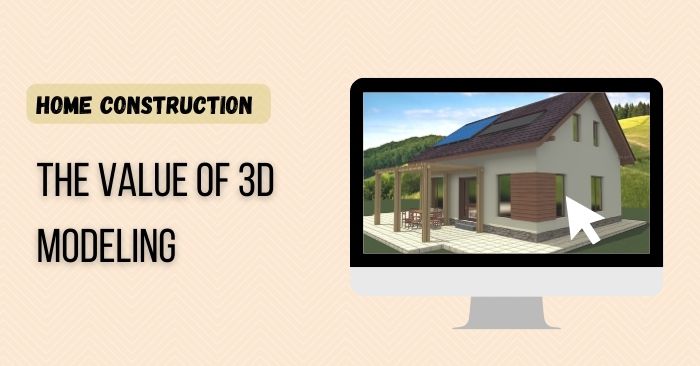
    The value of 3D home modeling

    The benefits of 3D home modeling featured image

    For both commercial builders and those wishing to create their dream home from the ground up, having a plan in place
    is essential. By using a 3D home modeling tool, a floor plan can be brought to life, giving the greater a great idea
    of the direction their build will go in. 

    The value of 3D modeling 

    2D shapes drawn on paper can help builders start to bring their ideas into reality, however something that seems good
    in theory, may not be as practical in the 3D world. 

    This is where 3D modeling comes into play, as you can use digital aids to draw lines, compare items and furniture
    pieces of the same height, create rooms and decor in a scalable fashion. 

    How can I make a 3D model of my house?

    There are many tools you can find online to create anything from a simple house or a larger building layout. Before
    downloading these tools to start modeling a house, it’s best to do research first on what services are available, so
    you get the optimal usage from the application. 

    For example, some apps are free and allow for basic functions such as room mapping and general furniture placements.
    Others may be purchased with a fee, however; they may offer a more comprehensive package for your 3D modeling
    needs. 

    This may include shade and texture mapping

    • Eraser tool
    • The ability to drag and drop
    • Unlimited focal length
    • And more

    With the right research, you can find the appropriate 3D modeling tool to fit your needs to assist you on your next
    home building project.

    Posted in: Uncategorized Tagged: 3D home modeling, home modeling

    Posts navigation

    • « Previous Page
    • 1
    • 2
    • 3
    • 4
    • 5
    • …
    • 11
    • Next Page »

    About Us

    Our professional staff is passionate about our clients’ goals, and aim to treat each client as if they were our only one. Together, your next real estate experience will not only be enjoyable but also produce great results! Please feel free to give us a call, or send an email anytime and we will contact you as soon as possible.

    Our Communities

    • Portland
    • Salem
    • Springfield
    • Eugene

    Contact Us

    100 E Broadway Eugene, OR 97401

    info@idxbroker.com
    800-421-9668
    © 2026 · Equity Framework
    Privacy Policy · Listings Sitemap · Sitemap