Curb Appeal

    IDX Home

    Contact Us Today At
    800-421-9668
    info@idxbroker.com

    100 E Broadway Eugene, OR 97401

    • Menu
    • Home
    • Buy
    • Sell
    • Communities
      • Portland
      • Salem
      • Springfield
      • Eugene
    • About
    • Contact

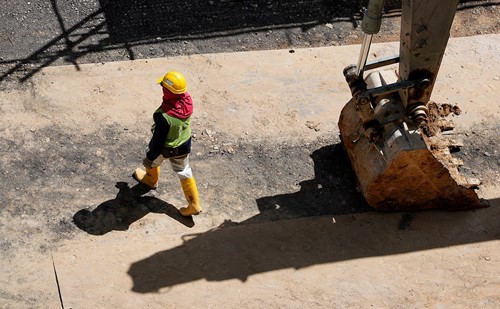
    Why New Residential Construction May Be Your Best Option

    Photo by Nicholas Lim from Pexels

    People are buying new construction homes again, and experts expect the trend to continue. But why do analysts believe new construction is on the rise? Several factors are coming together.

    Quarantine Fatigue

    In the housing industry, there has been overall growth in the purchasing of single-family homes. Some of this buying activity is the result of the pandemic. Many people found themselves in cramped apartments with no yard and no ability to enjoy shared community spaces like playgrounds, tracks, sportsplexes and gyms.

    This left many people eager to make some elbow room for themselves.

    Limited Inventory = Skyrocketing Prices

    With more people moving out of cramped condos and apartments and those in housings desiring to stay, we see a housing bottleneck. There are fewer houses than people who want them, and this is driving existing home prices up.

    Builders meet this demand by increasing the number of new builds to increase the inventory while also benefiting from the rising prices. The market has cooled slightly as many developers have bought up land and builders have jumped into action, creating more competition among themselves. However, the demand is still there and higher than usual.

    More Remote Work

    It’s no secret that a lot of companies sent their employees to home offices during the pandemic. But what you may not realize is that a large number have already confirmed that they will be keeping a percentage of employees remote. This is driving new construction home buildings in two primary ways. 

    First, when people can work from anywhere, they can move anywhere, including their dream homes, wherever they may be. Second, if you’re working from home, you want that space to be the ideal workspace, so many are moving out of cramped existing homes and apartments and into more expansive dwellings. 

    Time to Move Away from the Tiny Home

    The Tiny Home trend may recover after the pandemic. But for now, living in a tiny space, especially if you’re sharing it with another person is looking a lot less attractive. People are going big right now. They want open floor plans and lots of space to work out, work and play at home. This is driving an increase in the number of bigger single-family homes beginning construction.

    New Residential Home Construction Trends

    2020 has been a transitional year for every industry. We can expect many of the mindsets and consumer habits to continue well into the future as more people are thinking about what it means to live in a multi-family complex or city. The new construction may slow, but the desire for new construction is likely to stay with us for some time. 

    Posted in: Uncategorized Tagged: Homebuyer, New build, New construction, new home

    Preparing for Your New Construction: A Quick How-To

    Photo by Ketut Subiyanto from Pexels

    There is something enticing about building the home that you want rather than purchasing a property that only has some features you desire. When you invest in new residential construction, you can create the living space that you have always dreamed of having. 

    Step 1: Choose a Builder

    The first step in the home building process is likely the most important. You will want to partner with a reputable and experienced builder who will focus on helping you accomplish your goals throughout the construction process. It is important to hire a builder who has worked in your local area and who has formed an extensive professional network that includes highly-regarded contractors.

    Step 2: Secure Financing

    After you have chosen your builder, you will need to secure financing for your new home. In all likelihood, you will need to start the payment process by applying for a construction loan. Construction loans have different requirements than traditional mortgage loans, so you will want to work with your lender to figure out the best option for your personal circumstances. 

    Step 3: Select Your Lot

    Once you have been approved for a loan, and you have a payment plan in place, the process of building your new house can begin. The first thing you will need to do is select your lot. There are a lot of considerations to make when selecting your lot, so be sure to take your time and find the plot of land that will be best for your home.

    Step 4: Design Your Home

    Now that you have decided on which lot is best, you can start working with your builder in order to plan and design your home. During this stage, you will talk about everything from the floor plan and the facade to the interior design details and landscaping. There will be a lot of decisions to make, but this can be the most fun part of the process for new construction homebuyers.

    Step 5: Watch the Construction Process Unfold

    As the design decisions are finalized, your builder will begin to construct your new home. Along the way, you may have opportunities to stop by and see the progress. It’s always a good idea to snap a photo or two, so that you have memories of this special time in your life.

    Step 6: Schedule Your Final Walk-Through

    When your home is completely built with every detail in place, you will be able to go on a final walk-through with the builder. This is the time when you can point out any changes or adjustments that need to be made before you move into the home.

    Whether you are finally having a custom-built home designed to meet your exact needs or you are deciding between different models available from a reputable builder, you are likely to enjoy this milestone moment in your life.

    Posted in: Uncategorized Tagged: How-To, New construction, Quick Guide

    New Construction: Green Features to Improve Your New Build

    Photo by Maria Orlova from Pexels

    With a greater focus on energy efficiency in recent years, new construction has been using green features. These features are designed to reduce negative impacts on the environment and help homeowners reduce their energy usage. If you’re planning to have a green home built, the following are some of the more common energy-efficient features available. Having these features installed in your new home can significantly lower the amount of energy you use and the amount you spend on your utility bills.

    Eco-Friendly Windows

    Newer windows typically have one or more energy-efficient features that help homes stay warmer in winter and colder in summer. This helps cut back on the energy used for cooling and heating homes. Low-emittance, or low-E, windows are made to reflect more of the sun’s UV rays, which helps keep homes feeling cooler during summer while still letting in plenty of natural light. Vinyl frames with insulation and fiberglass frames provide high amounts of resistance to heat flow, which also helps reduce energy usage. Other eco-friendly features to consider for windows include gas fills and double or triple glazing.

    Energy-Efficient Appliances and Plumbing Fixtures

    Stoves, washers, dryers and other major appliances typically use up a lot of energy if they’re older models. Green new construction homes usually come with Energy Star appliances, which helps improve energy efficiency. These appliances require less electricity, resulting in lower energy bills. Green new construction homes also tend to have plumbing fixtures with energy-efficient features, such as high-efficiency toilets and low-flow showerheads and faucets. These fixtures use less water overall and can significantly lower the amount of water your household uses on a regular basis.

    Energy-Efficient HVAC Systems

    HVAC systems are one of the biggest sources of energy usage in homes. New eco-friendly homes often have an HVAC system that is designed to use lower amounts of energy overall, such as a heat pump or geothermal system. These HVAC systems also use cleaner sources of energy compared to gas furnaces and other heating and cooling systems that require fossil fuels. Green homes also usually have a programmable thermostat rather than a manual one. Programmable thermostats provide an easier way to keep homes cooler or warmer as needed without using as much energy.

    Eco-Friendly Lighting

    Green new construction homes are much more efficient when it comes to lighting compared to older homes. These homes often have compact fluorescent (CFL) or LED bulbs instead of incandescent bulbs that use up higher amounts of energy. These energy-efficient bulbs provide a lot of light without using up as much energy, and they last longer. Green homes also tend to have design features that allow as much sunlight in as possible, such as skylights or oversized windows. Increasing natural light helps cut down on the amount of lighting used during the day.

    Cool Roof

    Cool roofs refer to roofing that is designed to reflect more of the sun’s rays. These roofs, which are often made of metal and light in color, can help keep homes much cooler inside when it’s hot out. This leads to a lower need to run the air conditioning or have ceiling fans on. Having this kind of roof can help you lower your energy bills, especially during summer.

    Posted in: Uncategorized Tagged: Green features, New build, New construction, sustainability

    About Us

    Our professional staff is passionate about our clients’ goals, and aim to treat each client as if they were our only one. Together, your next real estate experience will not only be enjoyable but also produce great results! Please feel free to give us a call, or send an email anytime and we will contact you as soon as possible.

    Our Communities

    • Portland
    • Salem
    • Springfield
    • Eugene

    Contact Us

    100 E Broadway Eugene, OR 97401

    info@idxbroker.com
    800-421-9668
    © 2026 · Equity Framework
    Privacy Policy · Listings Sitemap · Sitemap